
-
Email:zhao@hyliec.cn
-
Tel:+86 311 85273988
-
WhatsAPP:8613931128750



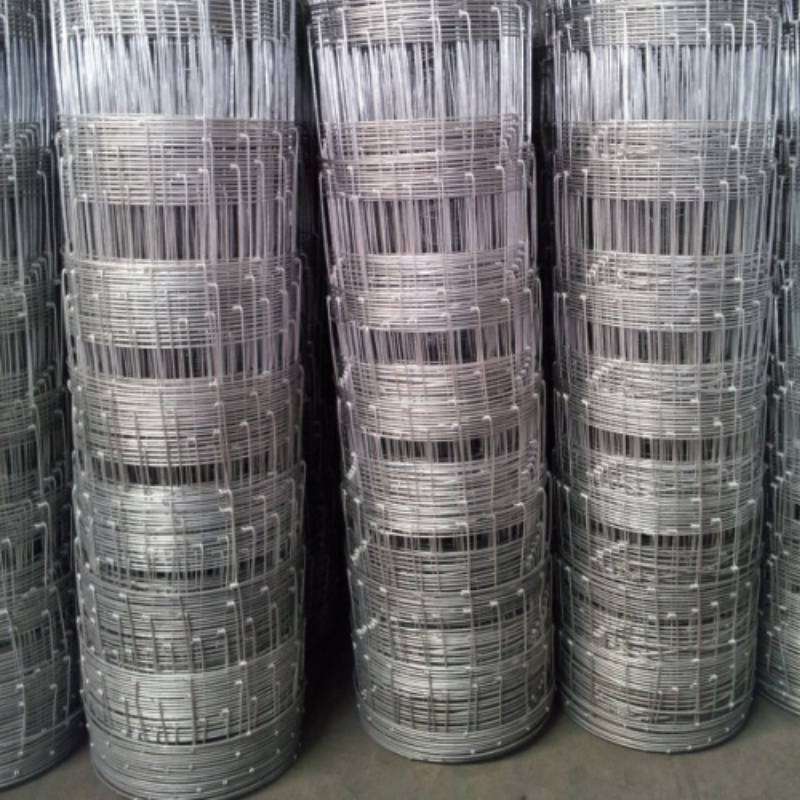

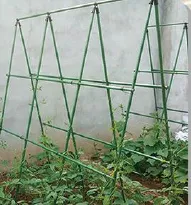
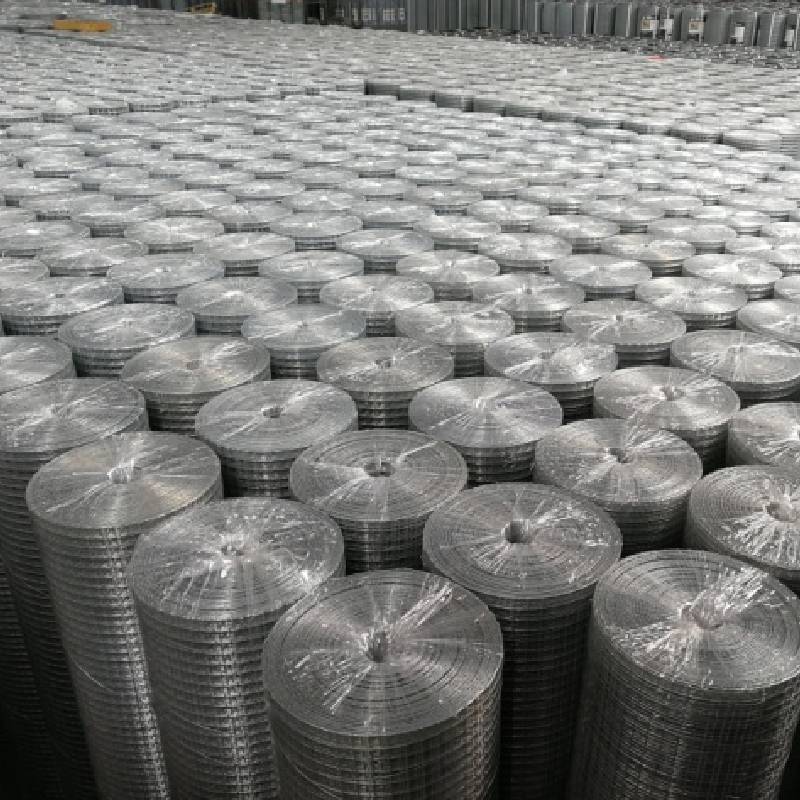
/Using Chicken Wire for Tomato Plants A Practical Guide When it comes to gardening, especially growing tomatoes, gardeners are always on the lookout for effective ways to support their plants. One of the most versatile and affordable solutions is chicken wire. This sturdy wire mesh can offer the ideal support structure for tomato plants, ensuring they grow upright and healthy while also making picking fruit easier. In this article, we will explore how chicken wire can be utilized for your tomato plants, discuss its benefits, and provide step-by-step guidance on how to set it up properly. Why Use Chicken Wire? 1. Cost-Effective Chicken wire is relatively inexpensive and widely available at garden centers and hardware stores. This makes it a practical choice for gardeners who want to stay within a budget. 2. Durable and Long-lasting Made of metal, chicken wire is robust and can withstand various weather conditions. If properly maintained, it can last for several growing seasons. 3. Flexible Chicken wire can be shaped and constructed into a variety of support systems, whether you need a simple frame or a complex trellis. Its flexibility allows you to adapt it to your garden's specific needs. 4. Maximizes Space With the ability to grow vertically, utilizing chicken wire can save space in your garden. This is particularly beneficial for urban gardeners or those with limited gardening areas. How to Set Up Chicken Wire for Tomato Support Step 1 Gather Materials To create a chicken wire support system for your tomato plants, you will need the following materials - Chicken wire (at least 3-4 feet tall) - Wooden posts or metal stakes (to anchor the chicken wire) - Wire cutters - Gardening gloves - Hammer (if using wooden posts) - Zip ties or garden twine (optional for added stability) Step 2 Choose the Right Location Select a sunny spot in your garden, as tomatoes thrive in full sunlight. Ensure that the area has good drainage to prevent root rot . Plan the layout of your chicken wire support, taking into consideration the space required for your tomato plants. Step 3 Prepare the Ground chicken wire for tomato plants Clear the area of weeds and debris. If you’re planting directly into the ground, make sure the soil is aerated and rich with nutrients. If you're using containers, ensure they have proper drainage. Step 4 Install the Chicken Wire 1. Build the Frame Begin by driving the wooden posts or metal stakes into the ground at intervals of about 5-6 feet apart, depending on how many tomato plants you are supporting. The posts should be at least 2 feet deep to ensure stability. 2. Attach the Chicken Wire Cut the chicken wire to the desired length, ensuring it’s tall enough to support the tomatoes as they grow. Unroll the chicken wire and attach it to the posts using zip ties, garden twine, or even staples if the posts are wooden. Stretch the wire taut for better support. 3. Secure the Bottom To prevent the wire from moving, you can bury the bottom of the chicken wire 6 inches into the ground or secure it with garden staples. Step 5 Plant Your Tomatoes Once your chicken wire is in place, it’s time to plant your tomato seedlings. When planting, bury the stems a bit deeper than they were in their pots. Tomatoes can develop roots along the buried stem, promoting stronger growth. Step 6 Train Your Tomato Plants As your tomato plants begin to grow, gently tie the stems to the chicken wire using garden twine or soft fabric strips. This will help keep the plants upright and allow for better air circulation and sunlight exposure. Step 7 Maintenance Regularly check your chicken wire support for any loose sections or areas that may need re-tightening. As the plants grow, continue to guide them toward the wire. Additionally, ensure that your tomato plants receive adequate water and nutrients throughout the growing season. Conclusion Using chicken wire for tomato plants is an efficient and economical choice for gardeners seeking to promote healthy growth and fruit production. With some basic materials and a bit of effort, you can create a supportive environment for your tomato plants while maximizing your growing space. The benefits of using chicken wire extend beyond just support; they create a structured and organized garden space. The next time you plan your tomato garden, consider incorporating chicken wire—it might just be the support your plants need to thrive!

-
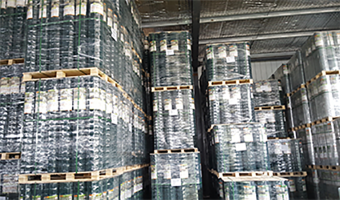
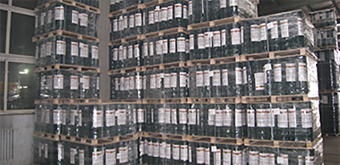
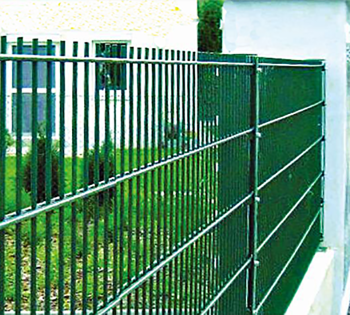 Rich export experienceRich experience for fencing production and export to North of America, Europe, South of America, and South of Africa more than 20 years.
 -
Complete product systemThe Maintenance free coatings coupled with a durable design offer owners and developers a products that can match all project requirements for safety
-
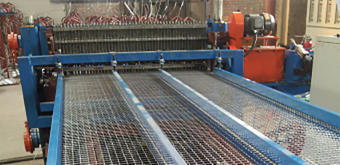
High-quality productsHigh quality control and specialist team for production process, inspection, packaging, QC Etc. to meet customer requirements.
-
Excellent serviceProvide professional technical support to customers, High quality after- sales support ensures that customers have no worries at all.
-
 Contemporary Designs of Metal Garden Gates to Enhance Your Outdoor Space AppealModern Garden Gates A Blend of Aesthetics and Security In the realm of garden design, few elements h2026-04-04 22:49
 -
 chicken wire 60The Versatility of Chicken Wire A Handy Tool for Various Projects When it comes to DIY projects, gar2026-04-04 22:12
 -
 Creative Ideas for Using T-Posts in Your Garden Design and Support SystemThe Importance of a Garden Post Enhancing Your Outdoor Space Gardening is not just a hobby; it’s a s2026-04-04 21:20
 -
 Durable 84-Inch Welded Wire Fencing for Secure and Reliable Outdoor EnclosuresThe Versatility and Benefits of 84-Inch Welded Wire Fencing In the realm of fencing, the choice of m2026-04-04 20:28